Hansa is deploying Cradle's end-to-end platform to develop novel immunomodulatory therapies in autoimmune disease.
AMSTERDAM, Oct. 1, 2026 /PRNewswire/ -- Hansa Biopharma AB (Nasdaq Stockholm: HNSA), a pioneer in treatments for rare IgG related immunologic conditions, today announced a partnership with Cradle, which builds the leading AI-driven protein design and engineering platform for biologics. Hansa will use Cradle's end-to-end platform across its discovery pipeline to design, optimize, and advance novel therapeutic candidates. Leveraging Cradle's AI driven protein engineering platform, the companies aim to accelerate the development of new therapeutics for patients with severe autoimmune diseases.

Hansa's lead product, imlifidase, is a first-in-class enzyme which is commercially available in Europe under the brand name Idefirix and is presently in FDA review with a PDUFA date in December for highly sensitized patients awaiting kidney transplant.
"We evaluated several AI models and vendors and selected Cradle because it combines three capabilities we believe are essential for next-generation protein engineering: end-to-end support across the discovery pipeline, from hit identification onward; multi-parameter optimization across complex engineering objectives; and active learning from our own data to drive increasingly predictable outcomes. Each accelerates our lab-in-the-loop process. Cradle's platform enables Hansa scientists to design and engineer better therapeutic candidates, faster and with greater probability of success," said Sofia Järnum, VP Head of Research and Early Development at Hansa.
The collaboration reflects Hansa's continued strategic investment in AI-powered drug discovery as it builds the next generation of its pipeline. Cradle's track record of delivering results with leading biopharmaceutical companies made it a natural partner as Hansa expands its use of AI across new discovery programs. The partnership reflects a growing shift toward unified AI platforms that combine candidate generation, optimization, and continuous learning from experimental data in a single workflow. According to Cradle, customers report development timelines up to 18 months faster, suggesting translation into significant R&D savings per clinical candidate.
"The future of multimodality therapeutics engineering isn't about spending more AI tokens or navigating a stable of models. It's about empowering scientists with a platform that learns alongside them, while enabling them to apply their unique human expertise to solve complex molecular challenges at scale, with speed and precision," said Stef van Grieken, CEO and Co-Founder of Cradle. "We're excited to partner with Hansa on their mission to accelerate the discovery and development of novel, high quality therapeutics for patients suffering from rare and severe autoimmune disorders."
About Hansa Biopharma
Hansa Biopharma AB is a pioneering commercial-stage biopharmaceutical company developing and commercializing novel immunomodulatory therapies to transform care for patients with acute or complex immune disorders. Hansa's proprietary IgG-cleaving enzyme technology platform addresses serious unmet medical needs in transplantation, gene therapy and autoimmune diseases. The company's portfolio includes imlifidase, a first-in-class immunoglobulin G (IgG) antibody-cleaving enzyme therapy, which has been shown to enable kidney transplantation in highly sensitized patients, and HNSA-5487, a next-generation IgG-cleaving molecule that will be developed for Guillain-Barré Syndrome (GBS). Hansa Biopharma is based in Lund, Sweden, and has operations in Europe and the U.S. The company is listed on Nasdaq Stockholm under the ticker HNSA. Find out more at www.hansabiopharma.com and follow us on LinkedIn.
©2026 Hansa Biopharma AB. Hansa Biopharma, the beacon logo, IDEFIRIX, and IDEFIRIX flower logo are trademarks of Hansa Biopharma AB, Lund, Sweden. All rights reserved.
About Cradle
Cradle's mission is to enable every scientist to turn today's impossible cures, foods, and materials into tomorrow's ordinary. Cradle's end-to-end protein engineering platform helps scientists intentionally engineer biologics across the full design-to-candidate lifecycle, bringing AI-driven molecular engineering, active learning from experimental data, and multi-property optimization together in a single system. Today, the platform is trusted by many of the biggest names in global pharmaceutical, industrial bio, agriculture and consumer goods across more than 80 active R&D programs. Cradle is based in Amsterdam, The Netherlands; Zürich, Switzerland and the United States with a team of machine learning and biotech research experts with deep industry experience from many of the world's leading technology and biotech companies. Cradle is backed by IVP as well as Index Ventures and Kindred Capital. For more information, visit cradle.bio.
 View original content to download multimedia:https://www.prnewswire.co.uk/news-releases/hansa-biopharma-partners-with-cradle-to-advance-ai-driven-protein-design-and-engineering-302895909.html

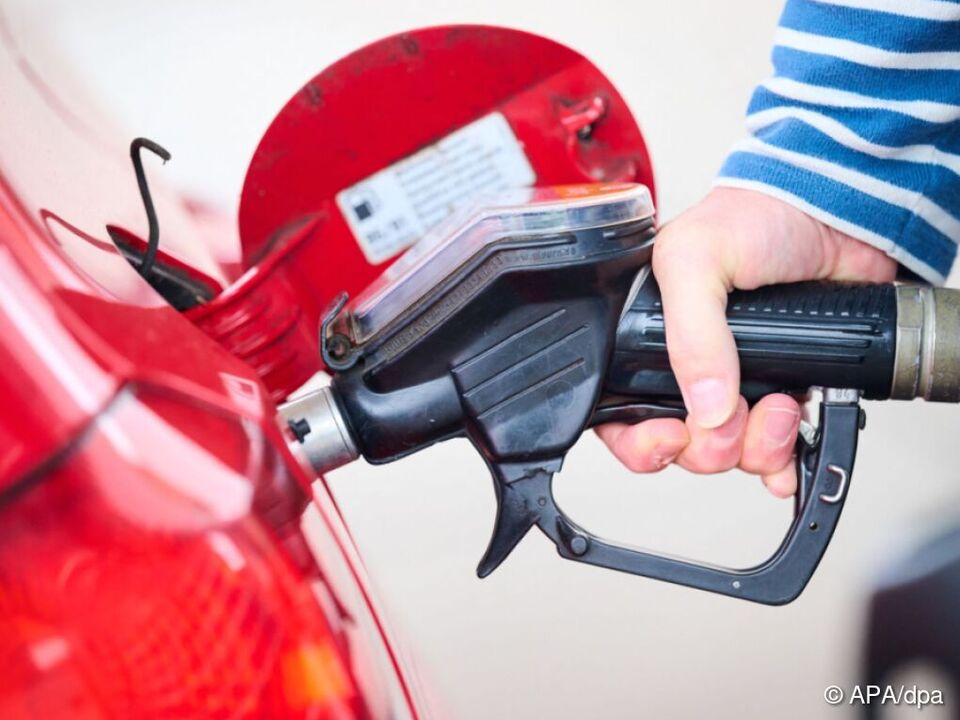
Während die Dieselpreise in Teilen Italiens neue Höchststände erreichen, zeichnet sich in Luxemburg eine spürbare Entspannung ab – und in Deutschland profitieren Autofahrer nur eingeschränkt von Steuererleichterungen. In Südtirol kletterte der Dieselhöchstpreis in Bozen Medienberichten zufolge auf 2,288 Euro pro Liter und lag damit am Mittwoch über dem Durchschnitt auf den italienischen Autobahnen. Dort wurden im Schnitt 2,287 Euro pro Liter Diesel fällig. Im gesamtstaatlichen Vergleich ist Südtirol damit weiterhin Spitzenreiter bei den Preisen.
Auch in anderen italienischen Regionen zogen die Dieselpreise deutlich an. In Trient stieg der Selbstbedienungspreis auf 2,274 Euro pro Liter, ein Anstieg um 1,1 Cent binnen eines Tages. Die stärksten Preissprünge wurden jedoch nicht in den teuersten Regionen verzeichnet, sondern im Nordosten und im Westen des Landes: In Friaul verteuerte sich ein einmaliges Volltanken von 50 Litern Diesel um 1,25 Euro, in Ligurien um 1,20 Euro, im Latium um 1,15 Euro. Auf den Autobahnen wurden Tagesanstiege von bis zu zwei Cent je Liter registriert. Der Präsident der nationalen Verbraucherunion, Massimiliano Dona, wirft der Regierung in Rom vor, zu wenig gegen die Preisanstiege zu unternehmen, und warnt vor möglichen Folgen für die Inflation.
Parallel dazu zeigt sich in Luxemburg ein gegenteiliger Trend. Dort wird Diesel nach Angaben des Wirtschaftsministeriums ab Mitternacht um 6,2 Cent je Liter günstiger und kostet dann 1,995 Euro. Damit fällt der Preis unter die Marke von zwei Euro. Die Benzinsorten Super 95 und Super 98 bleiben stabil bei 1,837 Euro beziehungsweise 2,049 Euro je Liter. Auch Heizöl wird in Luxemburg billiger: Bei Abnahme von mindestens 1.500 Litern sinkt der Literpreis am Mittwoch ebenfalls um 6,2 Cent auf 1,477 Euro. Der Großherzogtum bewegt sich damit preislich klar unter dem Niveau vieler Regionen in Italien.
In Deutschland wiederum kommt eine bereits beschlossene Steuerentlastung für Autofahrer nur begrenzt an. In Sachsen-Anhalt senkte die Bundesregierung vor rund einer Woche die Steuern auf Kraftstoffe um 17 Cent pro Liter. Laut dem Portal Benzinpreis-blitz kostete Super E10 am Mittwochnachmittag im Landesdurchschnitt 2,12 Euro pro Liter und damit lediglich rund sieben Cent weniger als am Nachmittag vor Inkrafttreten des Rabatts. Der Dieselpreis lag bei 2,19 Euro pro Liter, rund 15 Cent unter dem Vorkrisenniveau. Die Entlastung erreicht damit nicht vollständig die angekündigte Höhe, zudem spielt laut den Erhebungen die Uhrzeit eine wesentliche Rolle: Je nach Tageszeit fällt der Vorteil für Verbraucher unterschiedlich aus.
Im europäischen Vergleich entstehen damit deutliche Preisunterschiede für Dieselverbraucher. Während Italien mit Rekordständen in Teilen des Landes und spürbaren Tagesanstiegen im Fokus steht, nutzt Luxemburg den Spielraum für Preissenkungen. Deutschland versucht, über Steuersenkungen gegenzusteuern, bislang mit begrenzter Durchschlagskraft an der Zapfsäule. Für Verbraucher bleibt das Umfeld volatil – und die Frage, in welchem Umfang staatliche Eingriffe und Marktbewegungen künftig tatsächlich im Portemonnaie der Autofahrer ankommen.