SINGAPORE, Oct. 13, 2026 /PRNewswire/ -- NEU Battery Materials, a Singapore-based material security company focused on recycling lithium iron phosphate (LFP) batteries, announced the oversubscribed close of its US$7.6 million funding round co-led by Shift4Good, a global venture capital platform investing in the decarbonisation and resilience of transport and energy, and SGInnovate, a Singapore government-backed Deep Tech investor and ecosystem builder. The funding comes off the back of NEU's newly commissioned 1,300-ton-per-year Singapore factory, marking a major step from technology development to industrial scale-up. The capital will support the ramp-up of producing battery-grade lithium from LFP feedstock such as cathode production scraps and end of life black mass, and the company's international expansion.

The round saw participation from new investors including Lotus Singapore Group and M7 Holdings, as well as existing backers such as Paragon Ventures I.
The funding comes as demand for LFP batteries surges globally, where LFP accounts for over 90% of battery energy storage systems worldwide, and over 55% of all EV batteries, according to the International Energy Agency. As battery deployments and manufacturing continue to grow worldwide, scalable recycling solutions are becoming increasingly important to strengthen industrial sovereignty and secure critical lithium supply chains.
"Our vision is to build cleaner and more resilient lithium supply chains for the ongoing energy transition," said Bryan Oh, Co-founder and CEO of NEU Battery Materials. "The commissioning of our Singapore plant is an important milestone in that journey. The funding will catalyse the scale-up and deployment of our modular LFP recycling technology, enabling us to expand the production of vital battery-grade lithium, and at progressively lower costs to our customers."
NEU has developed the world's first patented electrochemical redox targeting technology designed specifically to close the loop on LFP batteries, making lithium recovery scalable, cost-efficient and more sustainable. Its process is driven by electricity and water, and uses regenerative chemicals generating less waste and reducing environmental impact compared with conventional recycling methods such as hydrometallurgy and pyrometallurgy, with emissions up to 83% lower.
"LFP battery recycling is both a decarbonisation and an industrial sovereignty imperative," said Sebastien Guillaud, Co-founder and Managing Partner at Shift4Good. "NEU has developed a differentiated solution to recover battery-grade lithium from LFP feedstock and is now entering a new phase of industrial scale-up, thereby helping build more resilient supply chains."
"NEU plays a strategic role in the battery value chain, and we remain committed to supporting its growth," said Hsien-Hui, Head of Investments at SGInnovate.
With the new capital and its newly commissioned plant, NEU will be focusing on scaling production, further reducing production costs, and expanding its network of partners. This next phase builds on an R&D roadmap that has delivered key technical milestones ahead of schedule, providing a strong foundation for the company's international deployment and continued commercial growth.
 View original content to download multimedia:https://www.prnewswire.co.uk/news-releases/neu-battery-materials-closes-oversubscribed-us7-6-million-funding-round-to-scale-lfp-recycling-and-strengthen-lithium-supply-chain-resilience-302905286.html

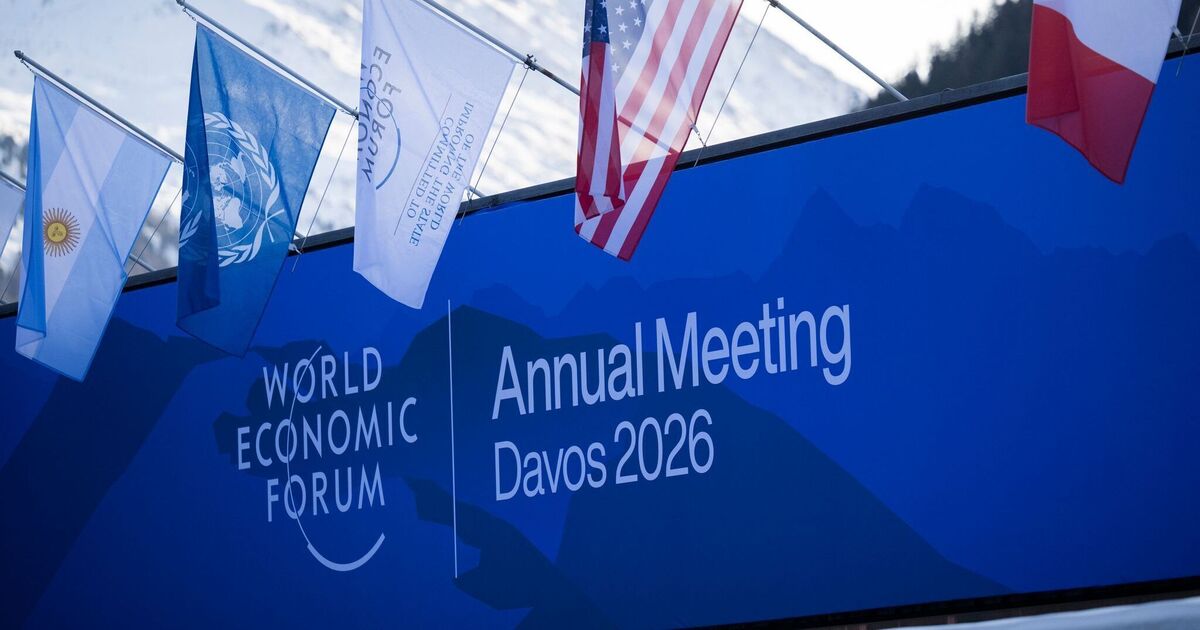
Eine anonyme E-Mail an die US-Botschaft in Bern hat kurz vor dem Auftritt von US-Präsident Donald Trump beim Weltwirtschaftsforum in Davos ein Ermittlungsverfahren der Schweizer Bundesanwaltschaft ausgelöst – und zur Festnahme einer WEF-Mitarbeiterin geführt. Inzwischen ist klar: Die gegen die IT-Expertin erhobenen Vorwürfe eines geplanten Attentats waren nicht zu belegen. Die Bundesanwaltschaft teilte mit, die in der Sache eröffneten Ermittlungen wegen strafbarer Vorbereitungshandlungen zu einem Mord seien eingestellt worden.
Die Warnmail war laut Medienberichten der Tamedia-Gruppe wenige Stunden vor Trumps Rede eingegangen. Der anonyme Absender schilderte in fehlerhaftem Englisch eine angeblich „dringliche Bedrohung“ für das Leben des US-Präsidenten in Davos und bezeichnete die später festgenommene Frau iranischer Herkunft als Agentin, die eine entsprechende Operation koordiniert habe. Die US-Botschaft leitete den Hinweis an die Schweizer Behörden weiter; diese erklärten, sie hätten die Warnung „sehr ernst“ genommen und seien „sofort aktiv“ geworden.
Tatsächlich arbeitete die Beschuldigte nicht am Tagungsort in Davos, sondern in der WEF-Zentrale im Genfer Vorort Cologny. Dort wurde sie nach Angaben der Bundesanwaltschaft festgenommen, mehrere Stunden lang bis tief in die Nacht vernommen und ihre Telefone sowie ihr Computer wurden beschlagnahmt und ausgewertet. Im Zuge dieser Maßnahmen habe sich jedoch gezeigt, dass sich keiner der in der anonymen E-Mail erhobenen Punkte erhärten ließ. Für alle Aspekte der Anschuldigungen seien keine Beweise gefunden worden, hieß es zur Begründung für die Einstellung des Verfahrens.
Die betroffene Mitarbeiterin, eine gebürtige Iranerin, war nach den Medienberichten kurz nach dem Vorfall beim WEF nicht mehr beschäftigt. Zu den Gründen äußerte sich die Organisation nicht; auf entsprechende Anfragen gab es zunächst keine Stellungnahme. Damit bleiben nach dem spektakulären Fehlalarm vorerst Fragen offen – etwa zur Herkunft und Glaubwürdigkeit des anonymen Hinweises –, während die Schweizer Strafverfolger den Fall strafrechtlich abgeschlossen haben.